Habitat elements that support ground-dwelling species, decomposers, spiders and other beneficial Arthropods provide important supplemental habitat to complement native plants. Many of these elements can easily be constructed and installed, while others are commercially-available.

Water Features
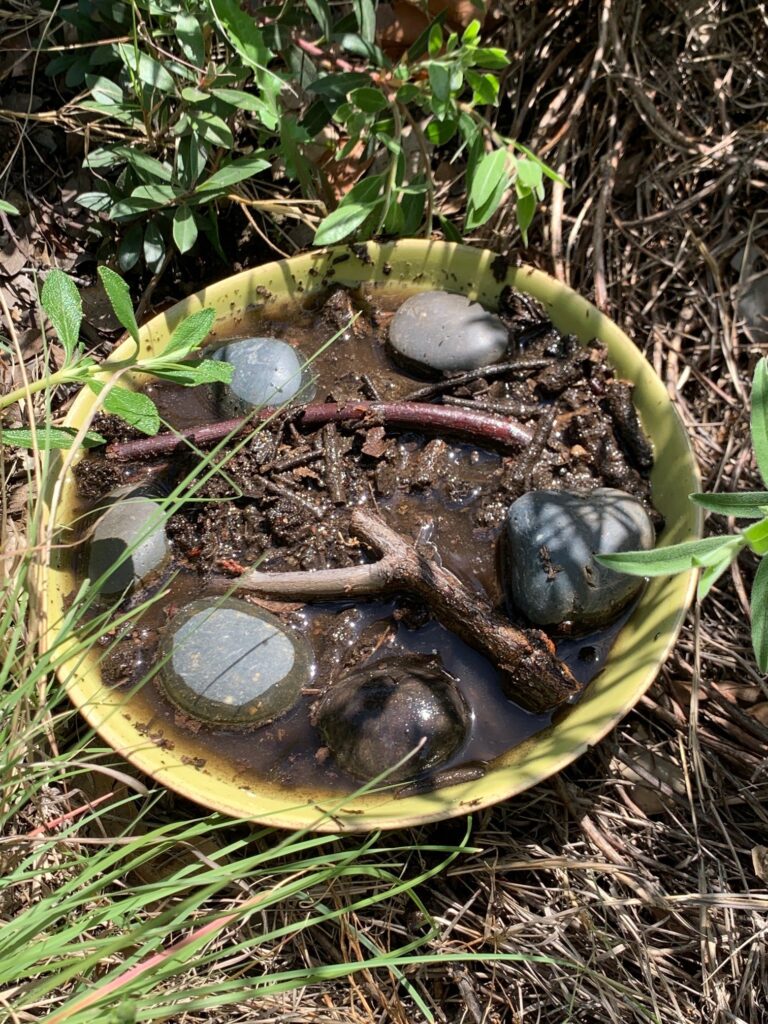
Typically, Arthropods obtain sufficient water from the food they consume, however supplemental water features may attract additional species and support species during adverse conditions. Insect watering stations and puddling stations feature shallow water with landing spots (rocks, mud, sticks) for Arthropods. Puddling stations. These can be purchased but can also be easily constructed. All of these devices require regular management to make sure water is available and to avoid mosquito establishment. Cricket water pillows are commercially available devices which provide a steady source of moisture with a little less maintenance and without supporting mosquito breeding.
Dwelling Features
Supplemental Arthropod dwelling features provide additional shelter to support reproduction or habitation. Different structures support different target species.
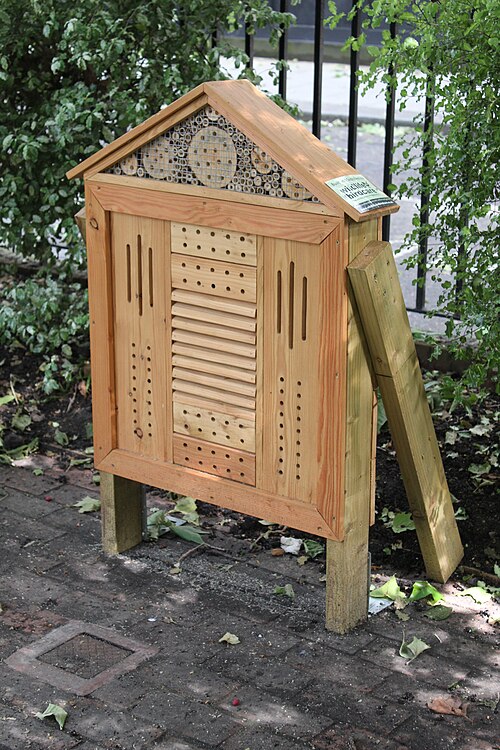
Insect Hotels. Man-made structures designed to provide nesting and shelter sites. Many options are commercially available, or you can make your home with instructions from the Natural History Museum of Los Angeles County.
Butterfly House. Specifically designed for butterflies and other flying insects, these structures can be purchased, or you can build your own with instructions from the Woodland Trust in the UK.
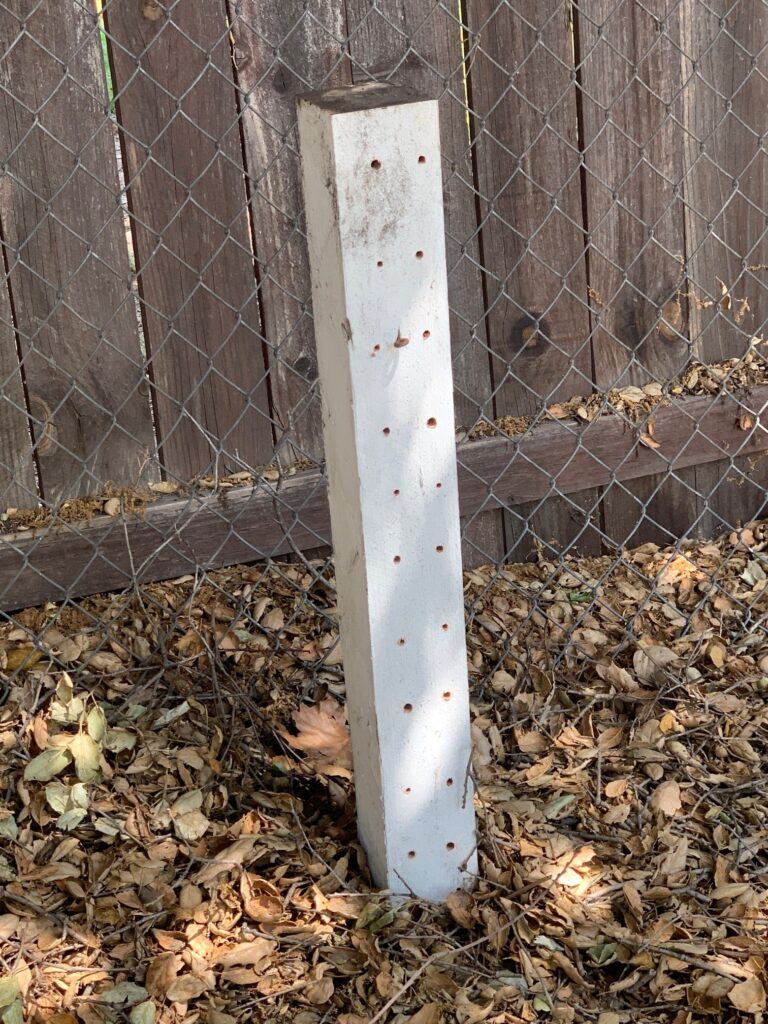
Bee Block. Most native bees in Southern California are solitary dwellers, and Bee Blocks provide wood nesting sites. While you may be able to purchase these, they are quite easy to build if you own a drill. Follow Greg Alder’s instructions on his Yard Posts Blog.
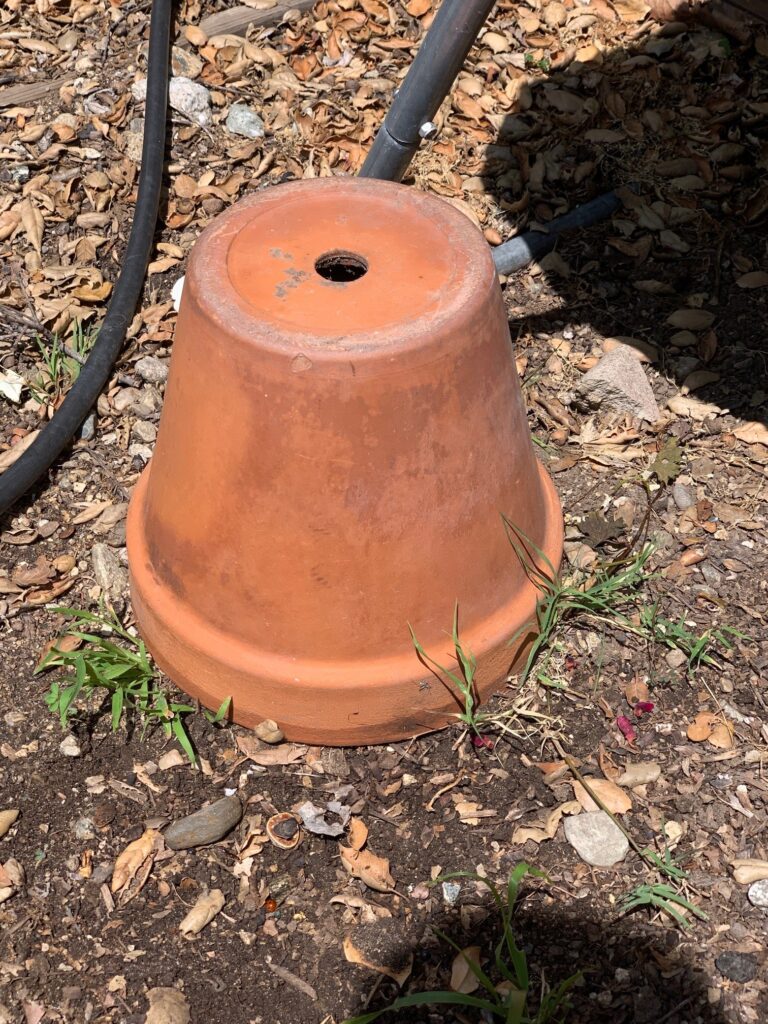
Upside Down Flower Pot. Turning a flower pot upside down on a bare earth surface is probably the simplest structure to provide, creating an attractive nesting site for spiders and other Arthropods. The pot should have a hole in it, or placed on a soft or uneven surface in such a way that it provides entrance/exit from underneath the rim.
Piles of debris. Piles of loose soil, compost, logs, sticks, stone or blocks provide significant cover for various ground-dwelling Arthropods and decomposers.
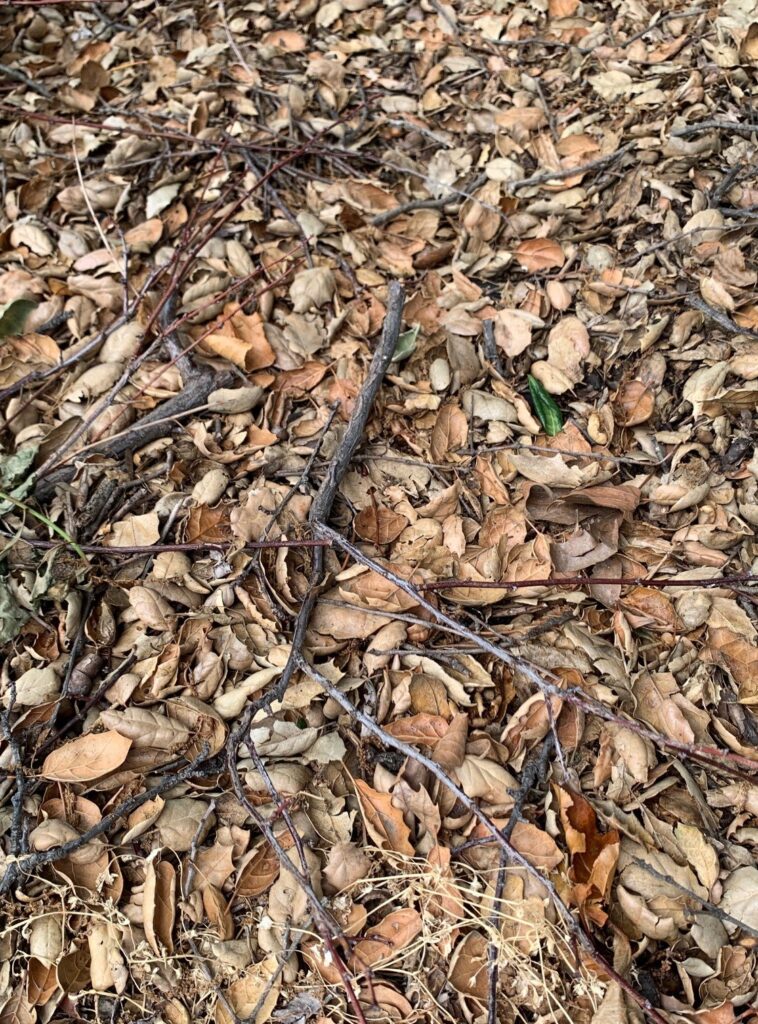
Leaf litter and wood chips. Leave those leaves! a healthy layer of leaf litter, wood chips, or other organic material provides excellent cover for a variety of Arthropods.