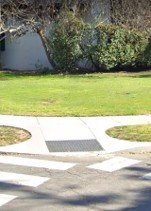
Prioritizing Pedestrians
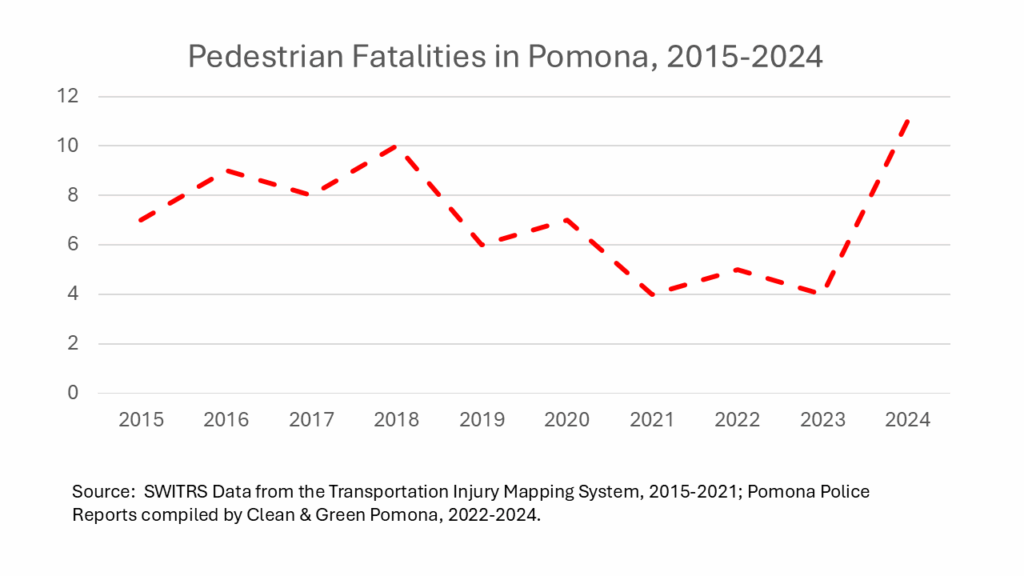
From 2015-2024, Pomona averaged 4.67 pedestrian fatalities for every 100,000 residents, making it one of the deadliest cities in the nation for those who walk. Let’s work together to make our city safer for everyone.
Clean & Green Pomona is committed to prioritizing safe and comfortable streets for pedestrians. In 2020 we launched a major research effort to identify and map factors that are critical for pedestrian support. This includes the condition of the physical infrastructure intended to provide for pedestrian activity, and the frequency of hazards that impact the pedestrian experience. Our analysis reveals several important criteria and has guided our advocacy efforts.
Sidewalk Location: The position of the sidewalk within the public right-of-way is an important determinant of pedestrian safety and comfort. Our research has found that streets with parkways that separate pedestrians from traffic offer the greatest support. Curb-adjacent sidewalks present many hazards, including uneven walking surfaces, conflict with parked cars, and obstacles such as utilities that reduce passageways.
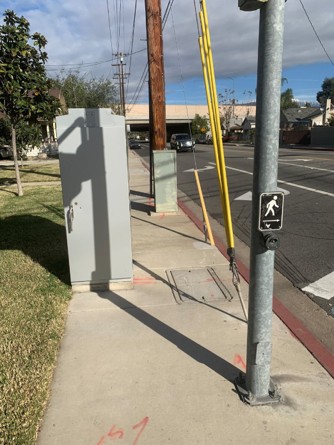
Sidewalk Condition: Tripping hazards due to sidewalk failure and inadequate maintenance affects support experienced by a broad range of users. Hazards are most common in environments with street trees, but proper tree selection and maintenance can avoid this problem.
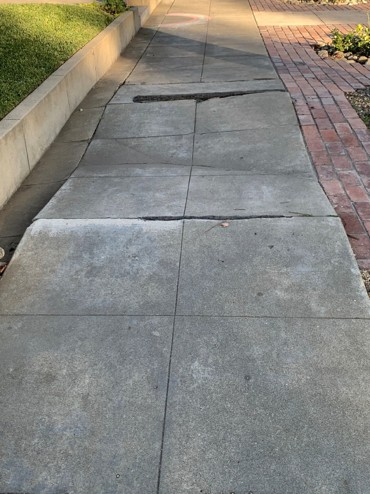
Street trees: Street trees provide shade and comfort to pedestrians, but also provide a physical and psychological barrier between pedestrians and vehicular traffic. Many neighborhoods in Pomona lack street trees, and curb-adjacent sidewalks prevent their planting.
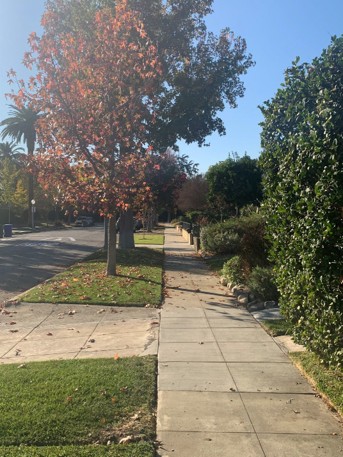
Vehicular Crossings: Driveway and parking lot entrances pose a hazard to pedestrians from vehicles, and also increase the likelihood that pedestrian pathways are blocked by illegally parked vehicles. To this end, streets with alley service and few driveways provide stronger pedestrian support.
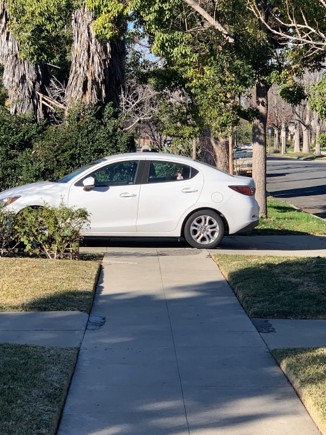
Traffic Speed: The speed of traffic not only directly affects the level of risk for pedestrians crossing streets, but also affects the comfort of using adjacent sidewalks due to noise and pollution. Speed limits above 35 mph have a noticeable affect on the usage of adjacent sidewalks.
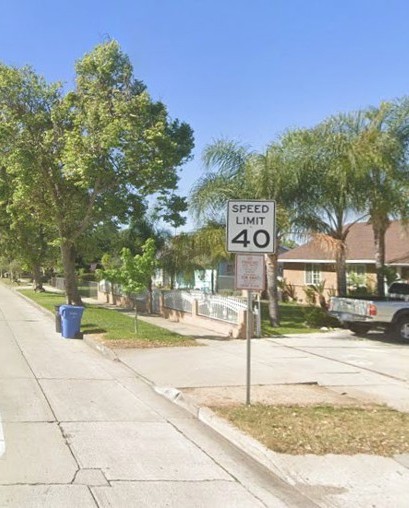
Traffic Control: Combined with speed, the control of traffic at intersections by stop lights or stop signs is an important component of pedestrian support. Some popular “traffic calming” strategies, notably roundabouts, sacrifice complete stop of traffic in favor of continuous slow-speed movement with only yield signs. This makes pedestrians less safe, when such strategies replace traffic control in all directions.
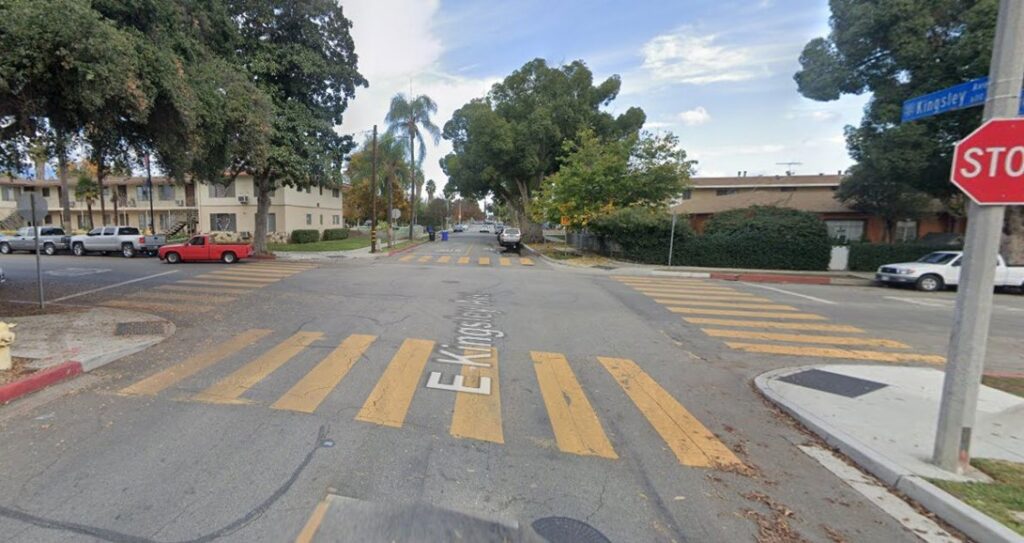
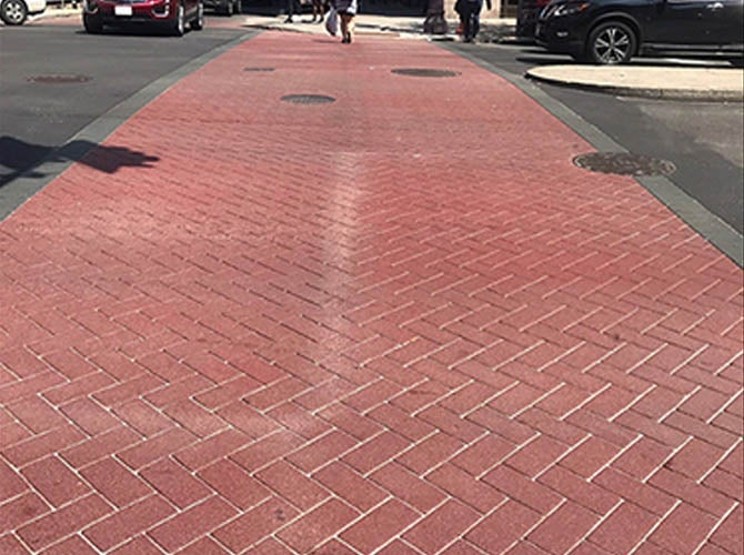
Crosswalks: The inclusion of pedestrian crosswalks in combination with traffic control can greatly enhance pedestrian support and safety. Enhanced crosswalks such as raised crosswalks or material changes and further increase pedestrian support.
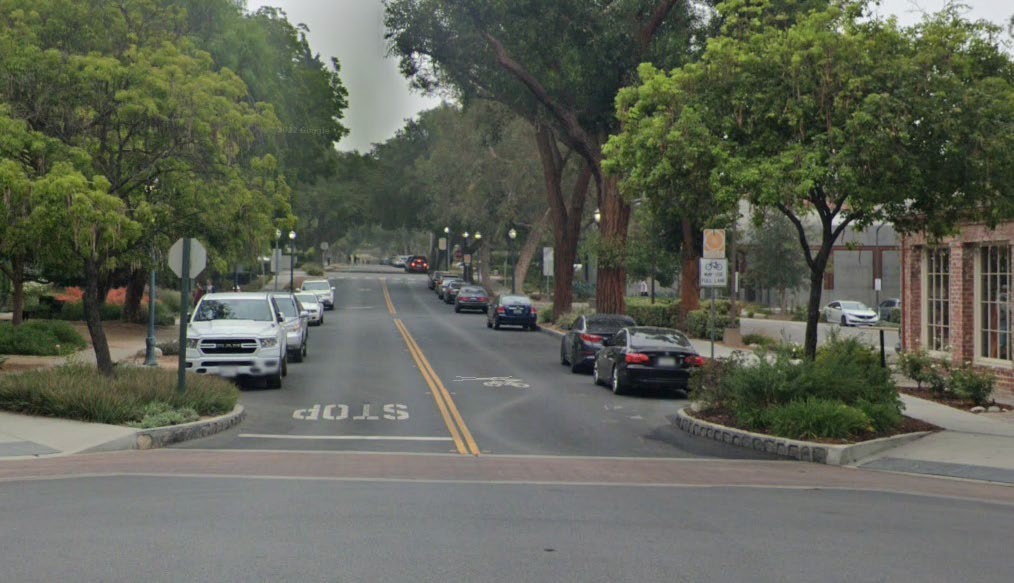
Crossing Distances: The distance pedestrians must travel within a street while crossing affects their exposure to potential hazards, and impacts their sense of comfort and security. Curb extensions can often reduce this distance.
Accessibility: Many neighborhoods still lack ADA-compliant curb ramps. This impacts not only those with mobility challenges, but also pedestrians with strollers, wagons, or other wheeled devices.